MinnTech PlasticsEnvironmental Benefits of Thermoformed Packaging
Measurable environmental advantages from lightweight design to circular material recovery.
Thermoformed packaging from MinnTech Plastics delivers measurable environmental benefits when designed with the right materials and end of life pathways. Our RPET and CPET recyclable packaging reduces weight compared to rigid alternatives, lowering transportation emissions. RPET closes the post consumer recycling loop by converting recovered PET into new packaging. And properly engineered packaging extends product shelf life, directly reducing the food waste that accounts for an estimated 8–10% of global greenhouse gas emissions.
Reduced Carbon Footprint Through Lightweight Design
Thermoformed packaging is formed from thin gauge sheet stock, producing containers that weigh significantly less than comparable glass, metal, or rigid injection molded plastic alternatives. This weight reduction has a direct impact on transportation emissions: lighter packaging means more product per truckload, fewer total shipments, and lower fuel consumption throughout the distribution chain. MinnTech’s design engineering team optimizes wall thickness and rib geometry to maintain structural performance while minimizing material usage.
- Thermoformed trays weigh 60–80% less than equivalent rigid containers or glass alternatives
- Lighter packaging increases product per truckload ratios, reducing total freight emissions
- Thin gauge forming minimizes raw material consumption per container produced
- Optimized wall thickness maintains structural integrity while reducing weight
Circular Economy Support with Recyclable PET
MinnTech’s recyclable PET materials — RPET and CPET — support the circular economy by keeping plastic material in productive use rather than ending up in landfills. RPET directly closes the loop by converting post consumer recycled PET into new thermoformed packaging. The #1 PET recycling stream is the most established and highest value plastics recycling infrastructure in the United States, with processing capacity that continues to expand as brands commit to recycled content targets.
- RPET packaging converts post consumer waste into new food grade containers
- #1 PET is the most recycled plastic resin in North America by volume
- Recovered PET flake can be reprocessed into thermoforming sheet, fiber, or bottles
- Growing brand commitments to recycled content are expanding PET recycling infrastructure and capacity
Food Waste Prevention Through Shelf Life Extension
The United Nations estimates that roughly one third of all food produced globally is lost or wasted, generating 8–10% of global greenhouse gas emissions from decomposition in landfills. Properly designed thermoformed packaging is one of the most effective tools for preventing food waste. Modified atmosphere packaging (MAP) compatible trays extend shelf life by controlling the gas environment around perishable products. Barrier properties in PET packaging reduce oxygen transmission, slowing spoilage. Secure seal surfaces prevent contamination and leakage during distribution.
- MAP compatible thermoformed trays extend shelf life of fresh proteins, produce, and prepared foods
- PET barrier properties reduce oxygen transmission rates that cause oxidative spoilage
- Tamper evident and secure seal designs prevent contamination during distribution
- Extended shelf life reduces the percentage of product discarded before consumer purchase
Thermoformed Packaging vs. Alternative Materials
| Property | Thermoformed PET | Glass | Rigid Injection Molded | Paperboard |
|---|---|---|---|---|
| Typical Container Weight | 15–40g | 200–400g | 30–60g | 20–50g |
| Recyclability | Yes (#1 PET) | Yes | Varies | Yes (if unlined) |
| Barrier Properties | Good | Excellent | Good | Poor (requires coating) |
| Product Visibility | Excellent (RPET) | Excellent | Variable | None |
| Transportation Efficiency | High (stackable, light) | Low (heavy, fragile) | Medium | Medium |
| Carbon Footprint | Lower | Higher | Medium | Medium (if coated) |
Frequently Asked Questions
What are the environmental benefits of thermoformed packaging?
Thermoformed packaging offers three primary environmental benefits: reduced weight compared to glass and rigid alternatives (lowering transportation emissions), support for the circular economy through recyclable PET materials, and food waste prevention through shelf life extension with MAP compatibility and barrier properties.
How does lightweight packaging reduce carbon emissions?
Thermoformed PET containers weigh 60–80% less than equivalent glass packaging. This weight reduction increases the product per truckload ratio, reducing total freight shipments needed. Fewer truck trips directly reduce diesel fuel consumption and associated CO₂ emissions throughout the distribution chain from manufacturer to retail shelf.
How does thermoformed packaging prevent food waste?
Thermoformed trays designed for Modified Atmosphere Packaging (MAP) control the gas environment around perishable food, extending shelf life by days or weeks. PET barrier properties reduce oxygen transmission that causes spoilage. Secure sealing prevents contamination. Longer shelf life means less product is discarded before reaching consumers.
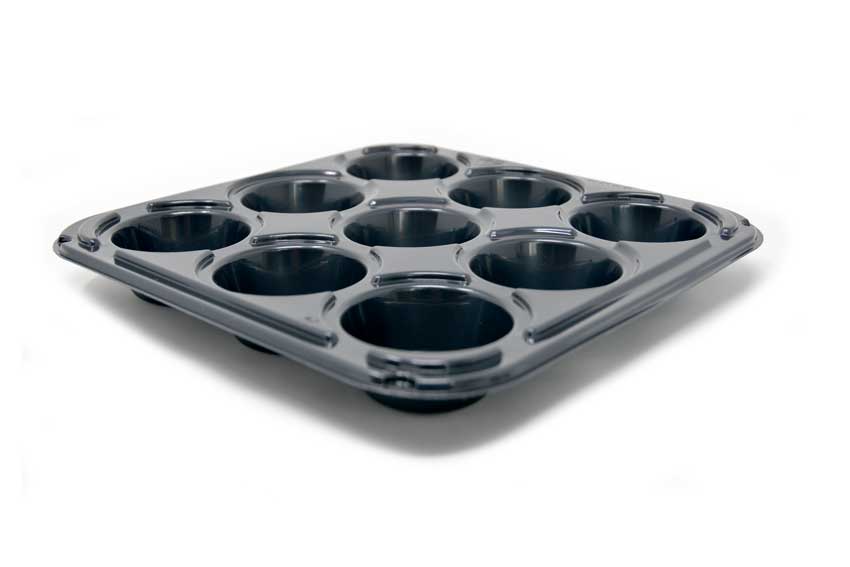
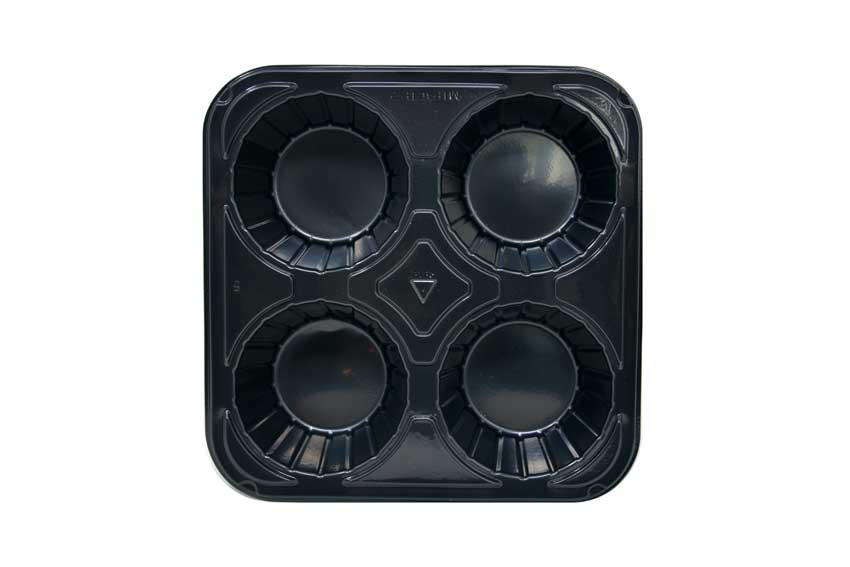
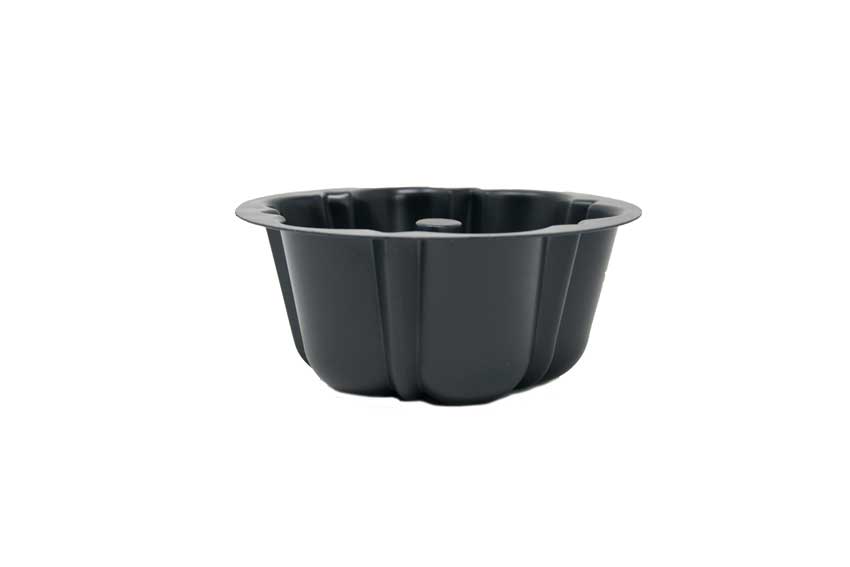
Featured Sustainable Products
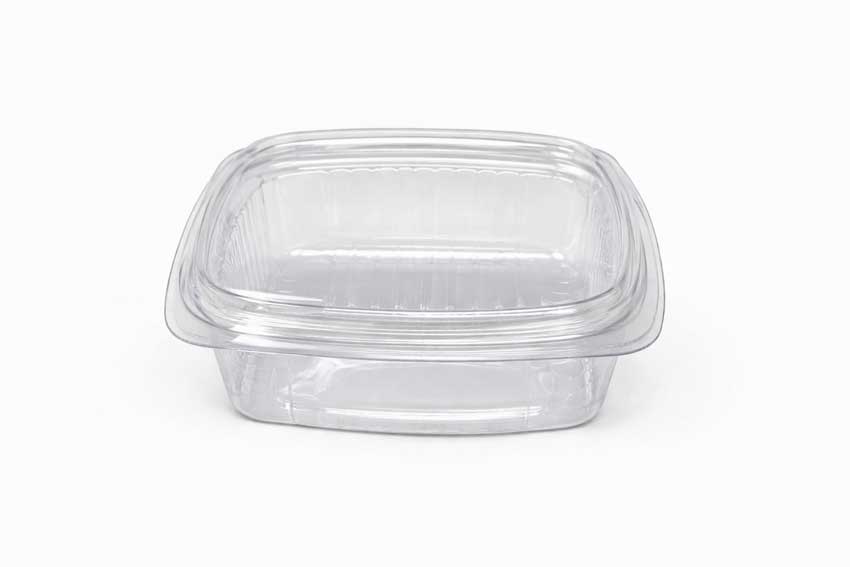
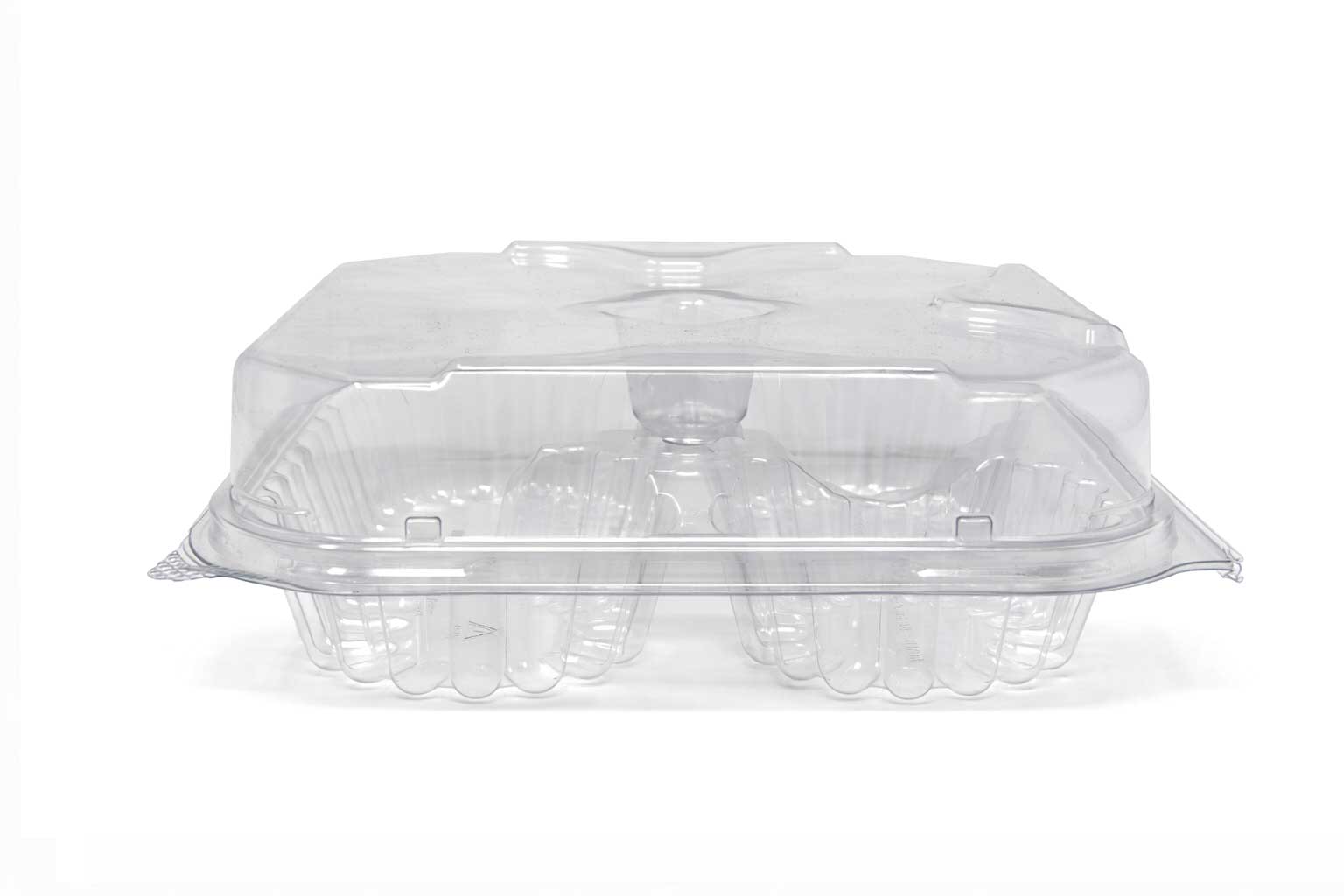
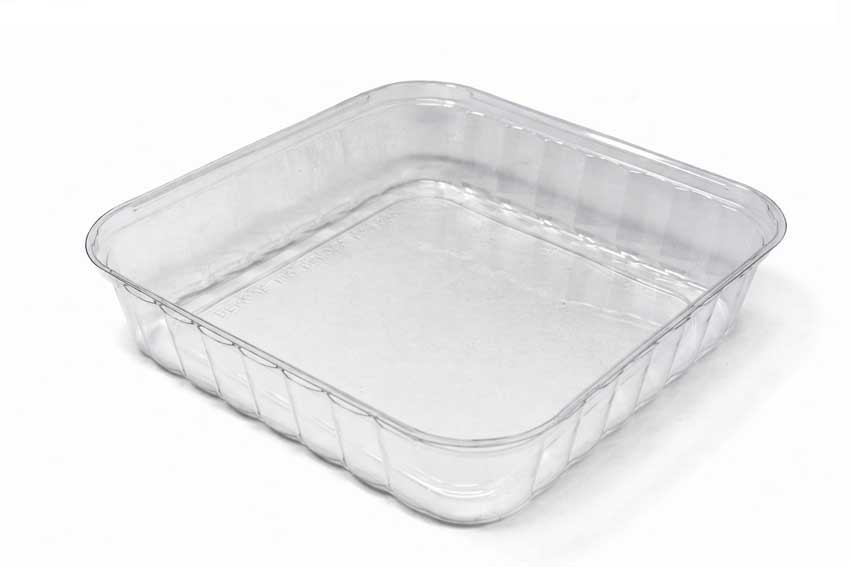
Explore thermoformed packaging solutions engineered for performance and responsible end of life recovery.
Choose Sustainable Packaging
Let MinnTech Plastics help you select the right materials and end of life pathways for your packaging needs.