MinnTech PlasticsEco Friendly Thermoformed Packaging Manufacturing
Measurable sustainability practices from material sourcing through finished packaging.
MinnTech Plastics applies eco friendly manufacturing practices throughout its thermoforming operations in Rogers, Minnesota. Our sustainability approach is built on four pillars: material efficiency through inline trim waste recovery, energy optimization using servo driven forming equipment, waste reduction at every production stage, and responsible sourcing from resin suppliers with documented recycled content and environmental management programs. These are not aspirational goals — they are operational practices integrated into our standard production workflows.
Material Efficiency Through InLine Trim Recovery
Thermoforming inherently produces trim waste — the sheet material outside the formed part geometry. MinnTech’s production lines include integrated trim collection and regrind systems that capture this scrap material immediately at the forming station. PET trim is granulated and returned to our sheet extrusion partners for reprocessing into new thermoforming sheet, keeping material in productive use rather than sending it to landfill. This closed loop trim recovery typically recaptures over 95% of offcut material.
- Inline trim granulation captures scrap directly at the forming station
- PET regrind is returned to sheet extruders for reprocessing into new stock
- Closed loop recovery recaptures over 95% of trim material
- Mold nesting and tooling design minimize trim generation from the outset
Energy Optimization with Servo Driven Equipment
MinnTech’s thermoforming equipment utilizes servo driven forming and cutting systems that consume energy only during active forming cycles, unlike older hydraulic systems that run continuously. Precision heater controls maintain exact sheet temperatures across the heating platen, preventing energy waste from overheating and ensuring consistent part quality. Lower forming temperatures also reduce energy consumption per cycle while maintaining dimensional accuracy.
- Servo driven actuators consume energy only during active forming and cutting strokes
- Zone controlled infrared heaters target energy precisely where the sheet requires heating
- Precision temperature management eliminates energy waste from overheating
- Lower forming cycle times reduce per part energy consumption
Waste Reduction Across the Production Lifecycle
Waste reduction at MinnTech extends beyond trim recovery. Our approach starts with packaging design: engineers optimize part geometry to maximize the number of parts per sheet, reducing raw material consumption per unit. In production, automated quality inspection catches defects early before additional resources are consumed. Packaging for shipping uses returnable racks and pallets where volume allows, reducing single use secondary packaging waste.
- Design optimization maximizes parts per sheet to reduce material consumption
- Automated vision inspection catches defects early to prevent downstream waste
- Returnable shipping racks and pallets reduce single use packaging
- Process monitoring systems identify and correct drift before generating scrap
Responsible Resin Sourcing
MinnTech sources thermoforming sheet from resin suppliers who maintain documented environmental management practices and offer verified recycled content options. Our RPET sheet suppliers provide chain of custody documentation for post consumer recycled PET content. For virgin PET, we source from producers whose manufacturing operations include energy recovery systems and water treatment processes that meet or exceed environmental regulatory standards.
- RPET suppliers provide chain of custody documentation for post consumer recycled content
- Virgin PET sourced from producers with environmental management system certifications
- Supply chain transparency maintained through documented material traceability
- Preference given to domestic suppliers to reduce transportation emissions
Frequently Asked Questions
How is thermoformed packaging made sustainably?
Sustainable thermoforming combines material efficiency, energy optimization, waste reduction, and responsible sourcing. At MinnTech Plastics, this means inline trim recovery that recaptures over 95% of scrap material, servo driven equipment that consumes energy only during active forming cycles, design optimization that maximizes parts per sheet, and sourcing from suppliers with verified recycled content and environmental management programs.
What does MinnTech Plastics do with trim waste from thermoforming?
Trim waste is captured immediately at the forming station by integrated regrind systems. The granulated PET trim is returned to our sheet extrusion partners for reprocessing into new thermoforming sheet, creating a closed loop material recovery system. This process recaptures over 95% of offcut material and keeps PET in productive use.
How does thermoforming compare to other packaging methods for energy efficiency?
Thermoforming is inherently energy efficient because it forms parts from pre extruded sheet at relatively low temperatures compared to injection molding or blow molding. MinnTech further improves efficiency with servo driven forming systems that use energy only during active strokes, and zone controlled infrared heaters that target heat precisely where needed.
What makes MinnTech Plastics a sustainable packaging manufacturer?
MinnTech integrates sustainability into standard operations rather than treating it as a separate initiative. This includes closed loop trim recovery, servo driven energy management, design for recyclability engineering, documented chain of custody for recycled content, and partnerships with resin suppliers who maintain environmental management certifications.
Featured Sustainable Products
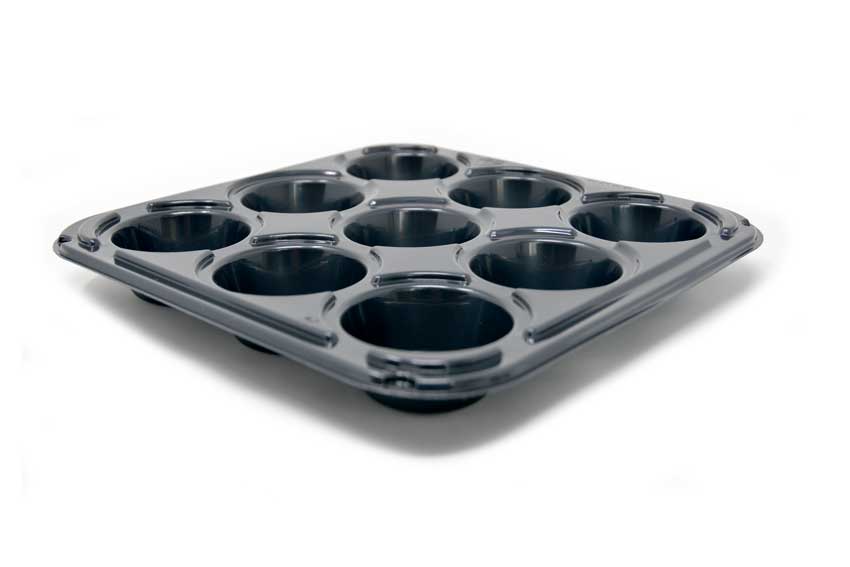
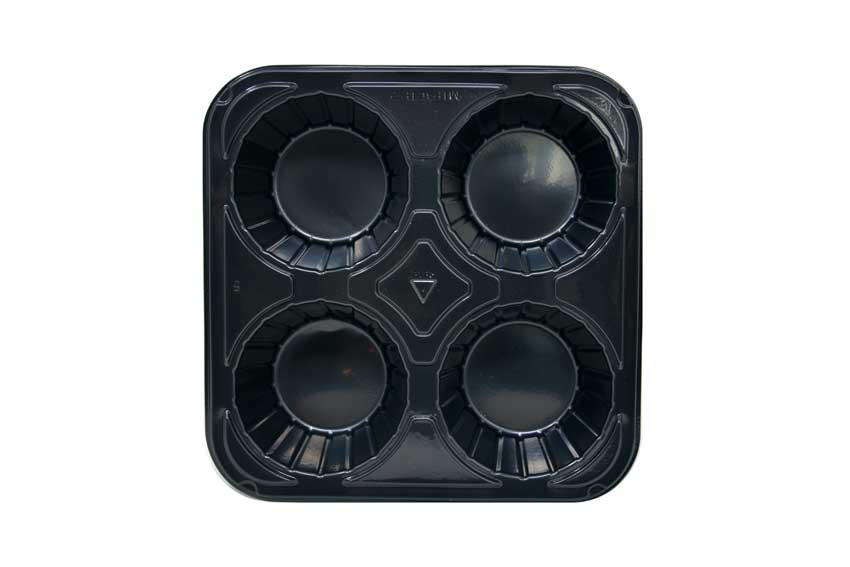
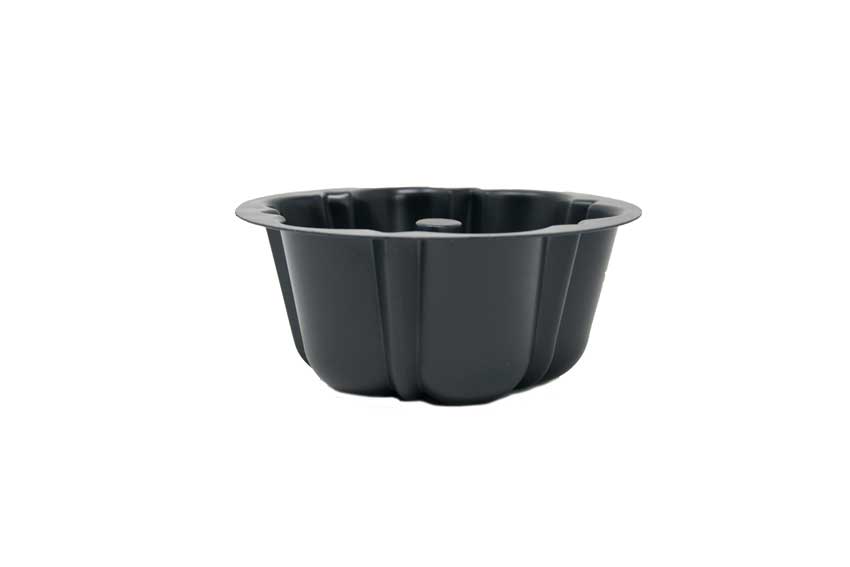
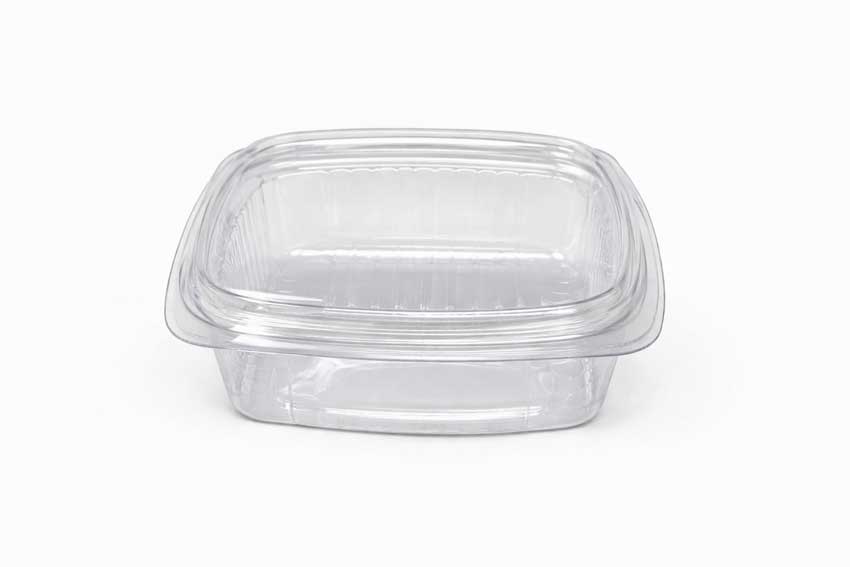
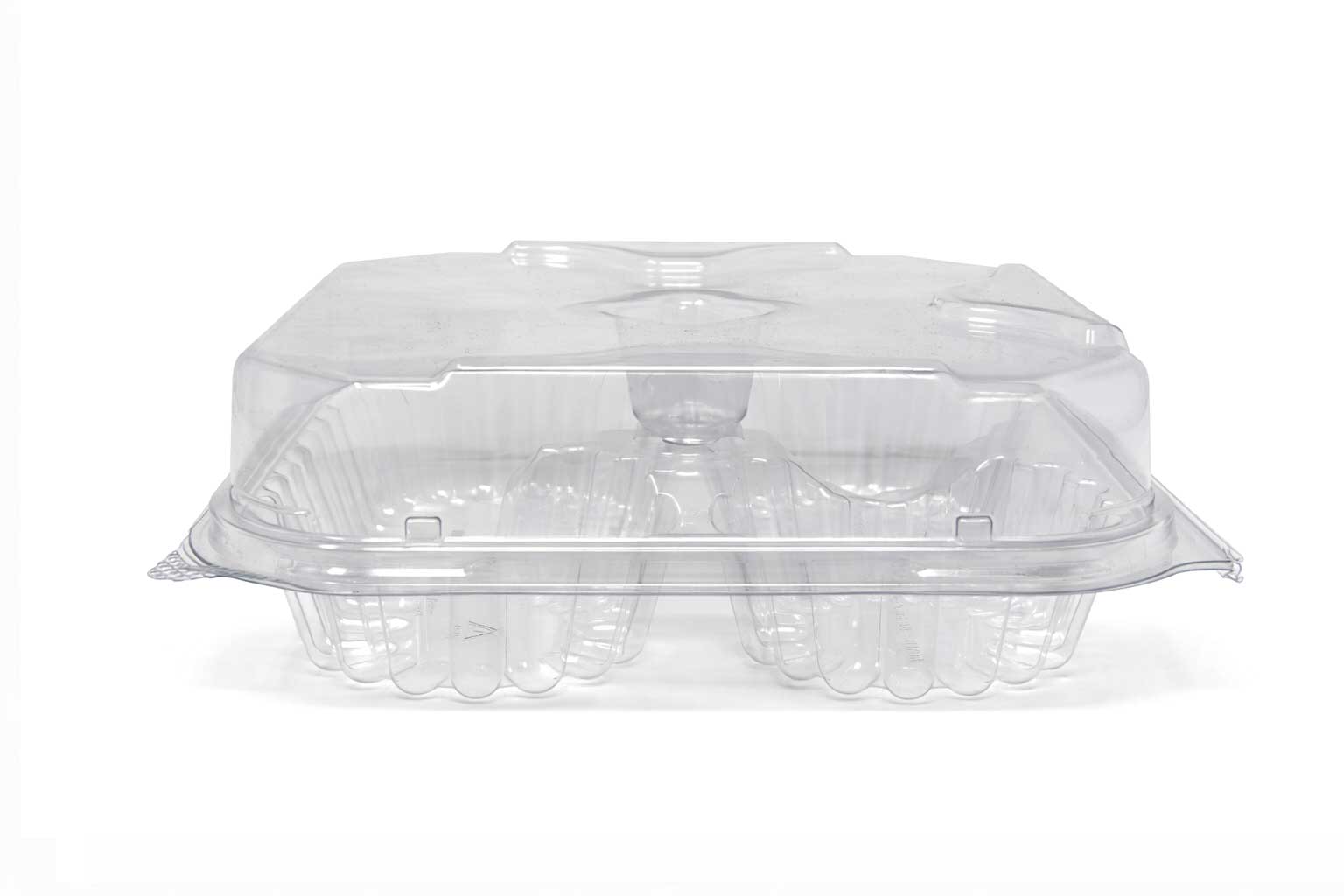
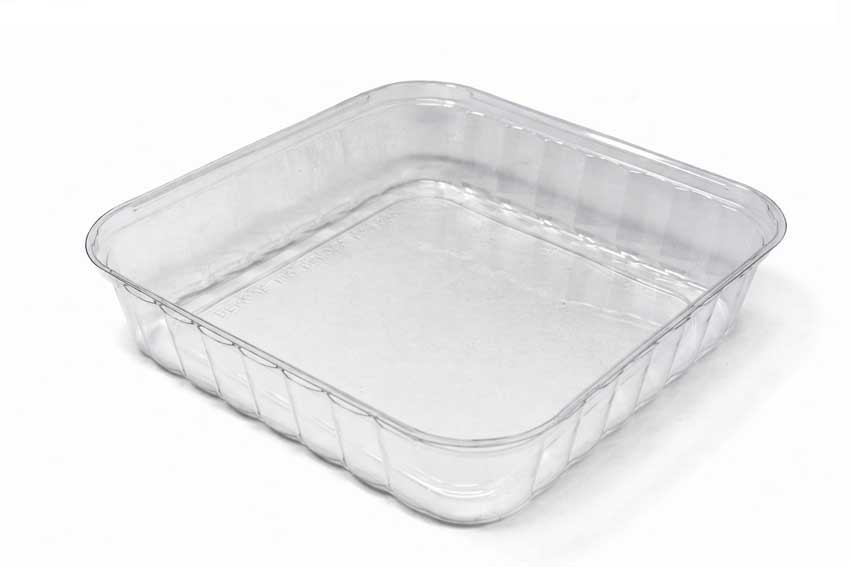
Explore thermoformed packaging solutions engineered for performance and responsible end of life recovery.
Choose Sustainable Packaging
Let MinnTech Plastics help you select the right materials and end of life pathways for your packaging needs.