MinnTech PlasticsCurbside Recyclable Food Packaging
PET thermoforms designed for household recycling programs
Curbside Recyclable Food Packaging
Curbside recycling is the most accessible end of life pathway for consumers and the primary recovery channel for MinnTech's RPET thermoformed packaging. With over 70% of U.S. households having access to curbside recycling that accepts rigid PET containers, MinnTech thermoforms are designed from resin selection through final tray geometry to maximize acceptance rates, minimize contamination, and support post consumer recycled content goals. This page explains how our packaging moves from curbside bin to reclaimed material—and what brand owners need to know to communicate recyclability to consumers.
Understanding Curbside PET Recycling Acceptance
Curbside recycling programs across the United States increasingly accept rigid PET thermoforms alongside PET bottles. The Association of Plastic Recyclers (APR) has recognized PET thermoforms as compatible with the PET bottle recycling stream, and major MRF operators have updated sorting protocols to capture thermoformed trays and clamshells. MinnTech monitors APR design guidelines and adjusts product specifications to maintain compatibility. Acceptance rates vary by municipality, but the trend is clear: as MRFs upgrade to NIR based optical sorting and demand for recycled PET feedstock grows, thermoformed PET packaging is becoming a standard curbside accepted material.
- Over 70% of U.S. curbside programs now accept rigid #1 PET containers including thermoforms
- APR recognizes PET thermoforms as compatible with the PET bottle recycling stream
- NIR optical sorting at modern MRFs reliably identifies and captures PET trays
- MinnTech products meet APR Design Guide recommendations for PET thermoforms
Post Consumer Recycling: From Bin to New Packaging
The term "post consumer" means the material has completed its intended use by a consumer and entered the waste stream for recovery. When a household places a MinnTech PET tray in their curbside bin, that tray becomes post consumer material. At the MRF, optical sorters identify the #1 PET resin code and channel it into PET bales alongside bottles and other rigid PET containers. Baled post consumer PET ships to reclaimers who sort, wash, grind, and pelletize the material into recycled PET (rPET) resin. This rPET reenters MinnTech's supply chain as feedstock for new RPET thermoformed packaging—completing the closed loop.
Closed Loop vs Open Loop Recycling
Closed loop recycling converts thermoforms back into thermoforms, maintaining material value at the highest level. Open loop recycling channels PET into lower value applications like polyester fiber or strapping. MinnTech advocates for closed loop pathways and partners with reclaimers who prioritize food grade recycled PET output, ensuring our customers' packaging returns as packaging rather than downcycled products.
How2Recycle and On Pack Recyclability Communication
Accurate consumer communication is essential for effective curbside recycling. Misleading or vague recyclability claims lead to contamination (wishful recycling) and undermine trust. MinnTech supports the How2Recycle labeling program, which provides standardized on pack instructions that tell consumers exactly how to recycle each component of their packaging. For MinnTech RPET thermoforms, the How2Recycle label typically reads "Widely Recyclable" for trays and clamshells accepted in most curbside programs.
- How2Recycle labeling provides standardized, consumer tested recycling instructions
- MinnTech RPET thermoforms typically qualify for "Widely Recyclable" designation
- We assist customers with documentation for How2Recycle label applications
- Clear labeling reduces contamination and improves recycling rates by 10–15%
Benefits for Brand Owners: Curbside Ready Packaging
Choosing curbside recyclable thermoformed packaging from MinnTech delivers measurable advantages for brand owners navigating sustainability commitments, retailer requirements, and consumer expectations. Retailers like Walmart, Target, and Kroger have established packaging sustainability goals that prioritize curbside recyclability, and brands that specify recyclable thermoforms gain preferred supplier status. Beyond retailer compliance, curbside recyclable packaging supports Extended Producer Responsibility (EPR) legislation now active in California, Colorado, Maine, and Oregon.
- Meets Walmart, Target, and Kroger packaging sustainability requirements
- Supports EPR compliance with potential fee reductions in regulated states
- Enables accurate "recyclable" marketing claims backed by APR data
- Consumer research shows 67% prefer brands with clearly recyclable packaging
Curbside Recyclability by Material
| Property | RPET | CPET | |
|---|---|---|---|
| Curbside Accepted | Yes—widely | Yes—widely | Limited |
| How2Recycle Label | Widely Recyclable | Widely Recyclable | Check Locally |
| Consumer Action | Empty, rinse, place in bin | Empty, rinse, place in bin | Check local program |
| MRF Sorting | NIR: #1 PET | NIR: #1 PET | NIR: #1 PET (may missort) |
| Post Consumer Recovery | High | High | Moderate |
Frequently Asked Questions
Are MinnTech thermoformed trays accepted in curbside recycling?
Yes. MinnTech RPET thermoformed trays and clamshells are accepted in over 70% of U.S. curbside recycling programs. They carry the #1 PET resin identification code and are sorted alongside PET bottles at materials recovery facilities using NIR optical sorting technology.
What does "post consumer recycled content" mean for packaging?
Post consumer recycled content (PCR) means the material was previously used by a consumer, collected through recycling programs, and reprocessed into new packaging. MinnTech RPET thermoforms contain 30–100% PCR, verified through supply chain documentation and third party certification.
How can my brand get How2Recycle certification for MinnTech packaging?
MinnTech provides the material specifications, design documentation, and recyclability testing data needed for How2Recycle label applications. Contact our packaging engineering team to start the certification process, which typically takes 4–6 weeks after documentation submission.
Does curbside recyclability help with EPR compliance?
Yes. Extended Producer Responsibility (EPR) frameworks in California, Colorado, Maine, and Oregon offer fee reductions or credits for packaging that is widely recyclable through existing curbside infrastructure. MinnTech RPET thermoforms qualify as widely recyclable under most EPR program definitions.
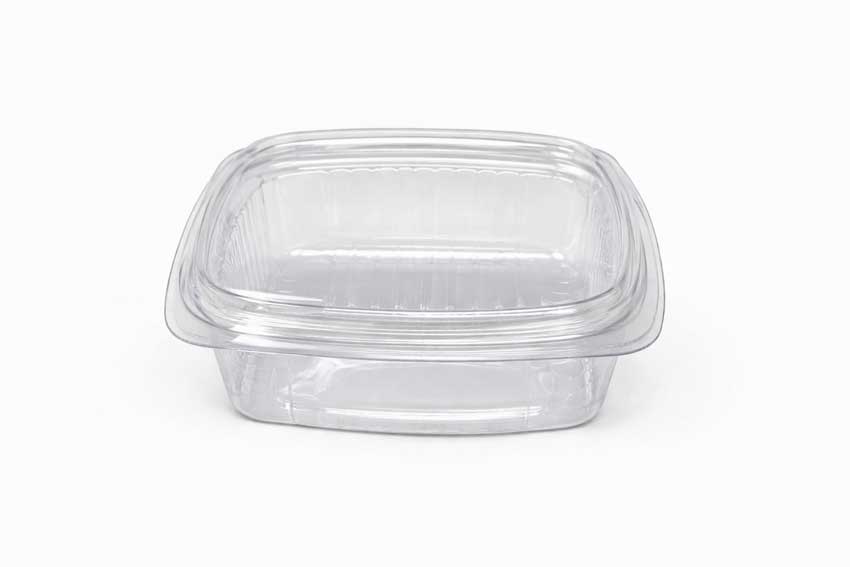
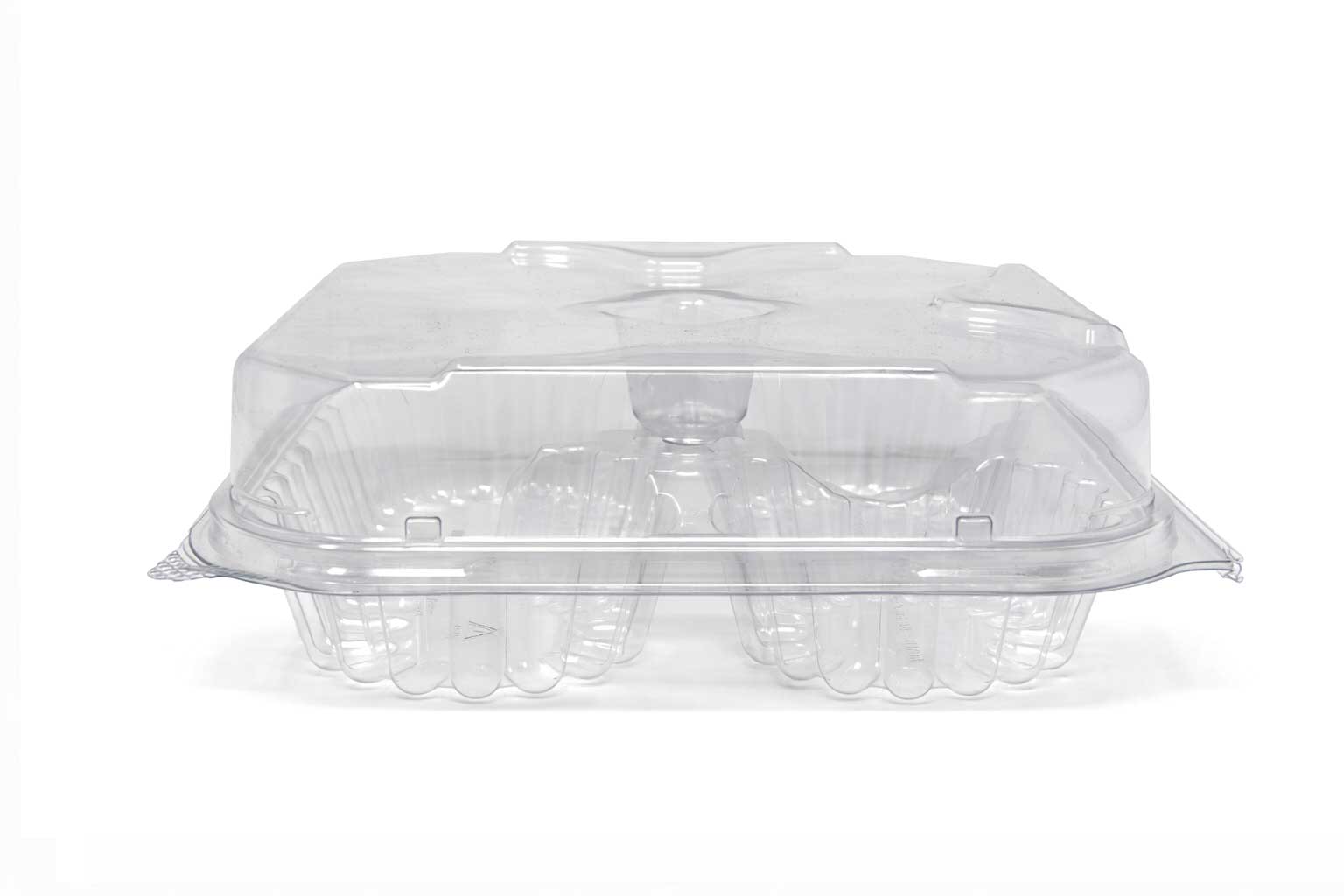
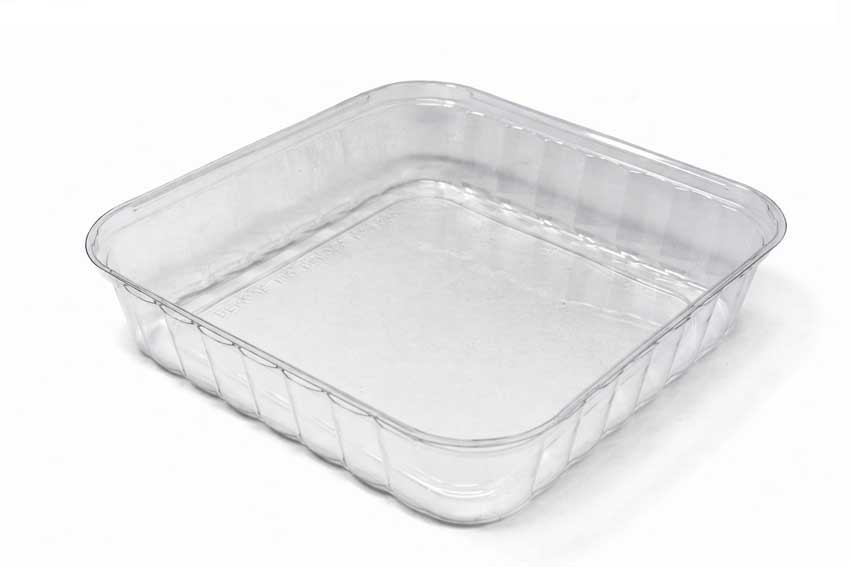
Featured Sustainable Products
Explore thermoformed packaging solutions engineered for performance and responsible end of life recovery.
Ready to Get Started?
Didn't see what you need? Let us help you find the perfect packaging solution.