MinnTech PlasticsIndustrially Recyclable Thermoformed Packaging
Closed loop PET recycling for thermoformed food packaging
Industrially Recyclable Thermoformed Packaging
Industrial recycling represents the highest volume recovery pathway for thermoformed PET packaging. MinnTech Plastics manufactures RPET and CPET trays, clamshells, and lids that are fully compatible with materials recovery facility (MRF) sorting equipment and downstream PET reclamation processes. Every thermoformed product we produce carries the #1 PET resin identification code, ensuring sorters, reclaimers, and brand owners can integrate our packaging into established closed loop recycling systems without special handling or infrastructure investment.
How Industrial PET Recycling Works for Thermoformed Packaging
Industrial PET recycling begins at materials recovery facilities where thermoformed packaging is sorted alongside PET bottles using near infrared (NIR) optical sorters. Modern MRFs recognize thermoformed PET trays and clamshells as #1 PET, channeling them into the same bale stream as PET bottles. MinnTech designs all thermoformed products with MRF compatibility in mind—no problematic adhesives, no multi material laminations, and no pigments that interfere with NIR detection. Once baled, PET thermoforms travel to reclaimers who wash, flake, and pelletize the material. These recycled PET pellets reenter manufacturing as feedstock for new thermoformed packaging, fiber, strapping, or sheet. The closed loop nature of this system means every MinnTech tray has the potential to become another MinnTech tray, reducing virgin resin demand with each cycle.
- NIR sortable: all MinnTech thermoforms register as #1 PET on optical sorting equipment
- No multi material barriers or laminations that contaminate recycling streams
- Designed for flake and pelletize reclamation without specialized equipment
- Compatible with both mechanical and advanced (chemical) PET recycling pathways
RPET in Industrial Recycling: Clear, Recycled, and Fully Recyclable
RPET is the most widely recycled thermoforming resin, offering crystal clarity, consistent melt behavior, and universal #1 PET classification. MinnTech processes RPET sheet with 30–100% post consumer recycled content into trays, clamshells, blisters, and lids ranging from 8 mil to 30 mil gauge. In reclamation, RPET flake blends seamlessly with PET bottle flake, maximizing bale value for MRF operators. Using RPET directly reduces virgin resin demand by displacing petroleum derived feedstock with recovered material, lowering the embedded carbon of each package by up to 60%. Typical thermoform to thermoform recycling achieves a material recovery rate above 90% at modern MRFs equipped with NIR sorting.
- 30–100% post consumer recycled content available across all product lines
- FDA letter of no objection compliant for direct food contact applications
- Identical MRF sortability and reclamation characteristics to virgin PET bottle flake
- Supports EPR (Extended Producer Responsibility) compliance in regulated markets
CPET: Curbside and Industrial Recycling for High Heat Applications
Crystallized PET (CPET) serves dual ovenable and high temperature applications where RPET cannot perform. CPET trays withstand temperatures from −40 °F to 400 °F, making them essential for frozen to oven meal packaging. CPET carries the same #1 PET resin code as RPET and is accepted in curbside recycling programs as well as industrial recycling facilities. Industrial reclaimers process CPET alongside other PET thermoforms, and advanced reclamation facilities manage the crystalline structure by blending CPET flake with RPET at controlled ratios.
CPET Recovery Pathways
CPET is accepted in curbside recycling programs and can also be processed through industrial recycling facilities. Industrial recycling facilities use advanced sorting technology and quality control processes that reliably identify and channel CPET into the correct PET reclamation stream. MinnTech provides end of life guidance to customers on both curbside and industrial recycling pathways for CPET products.
Industrial Recycling Comparison: RPET vs CPET
| Property | RPET | CPET |
|---|---|---|
| Resin Code | #1 PET | #1 PET |
| Recycled Content | 30–100% PCR | 0% (virgin) |
| MRF NIR Sortability | Excellent | Good |
| Curbside Accepted | Yes | Yes |
| Flake Compatibility | Universal PET stream | Blended at controlled ratios |
| Reclamation Yield | 85–92% | 80–88% |
| Closed Loop Potential | High | Moderate |
| Typical Applications | Deli trays, clamshells, lids | Dual ovenable trays, frozen meals |
Frequently Asked Questions
Can thermoformed PET trays be recycled with PET bottles?
Yes. RPET thermoforms carry the same #1 PET resin identification code as PET bottles and are sorted into the same bale stream at materials recovery facilities. Modern MRFs equipped with NIR optical sorters recognize thermoformed PET alongside bottles, and downstream reclaimers process both forms together into recycled PET pellets.
What recycled content levels are available in MinnTech RPET thermoforms?
MinnTech offers RPET thermoformed packaging with 30% to 100% post consumer recycled content. All RPET products maintain FDA food contact compliance and perform identically to virgin PET in recyclability, clarity (at lower PCR levels), and mechanical strength.
How is CPET recycled?
CPET is accepted in curbside recycling programs and can also be processed through industrial recycling facilities. Both pathways use sorting technology that identifies CPET by its #1 PET resin code and channels it into the correct PET reclamation stream for recovery.
Does MinnTech thermoformed packaging contain any non recyclable components?
No. MinnTech designs all PET thermoforms without multi material laminations, problematic adhesives, or pigments that interfere with recycling. We recommend pressure sensitive labels with water soluble adhesives or direct printing to maximize reclamation yield at recycling facilities.
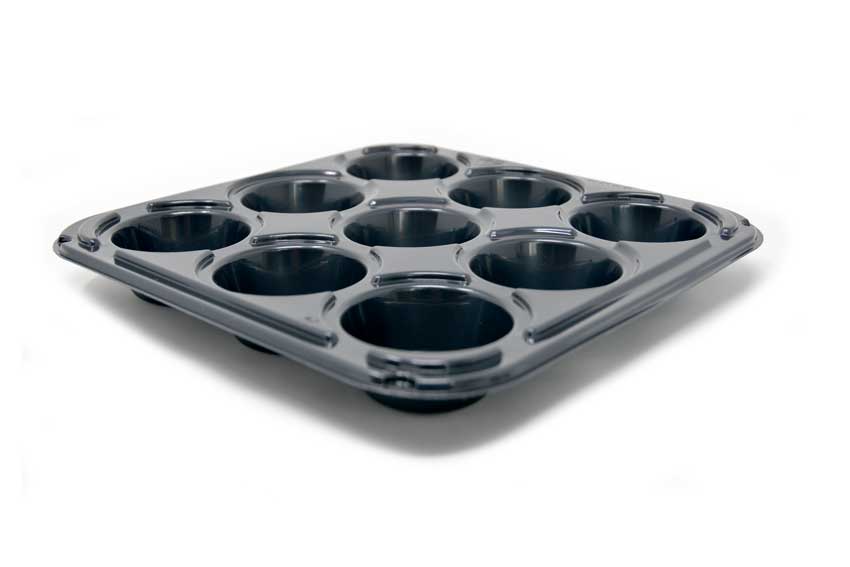
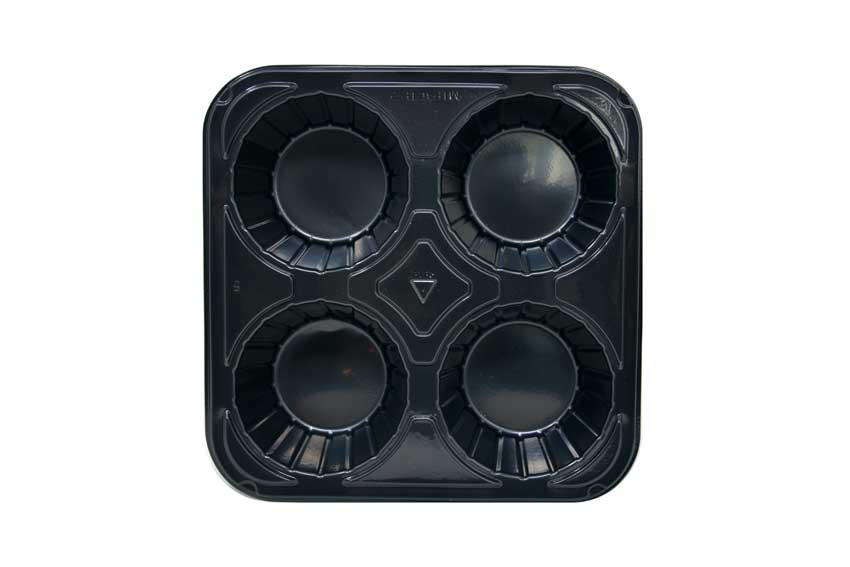
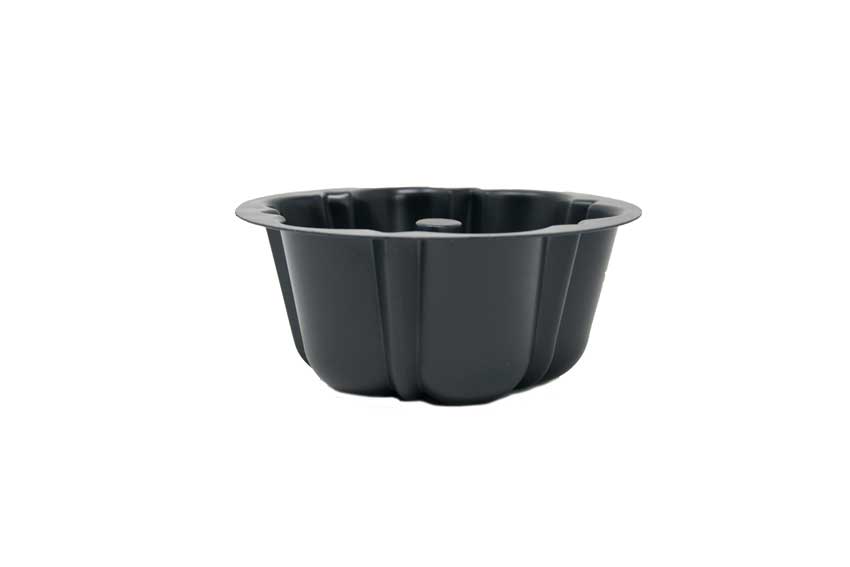
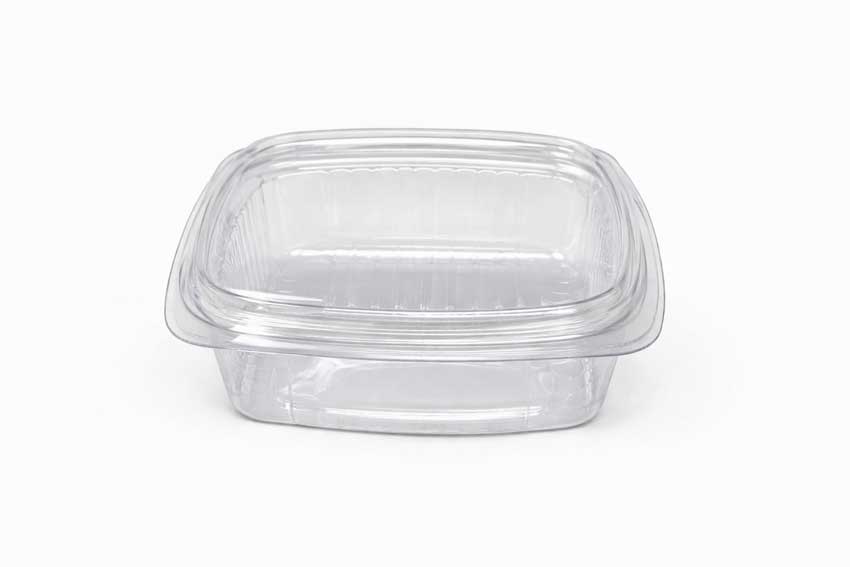
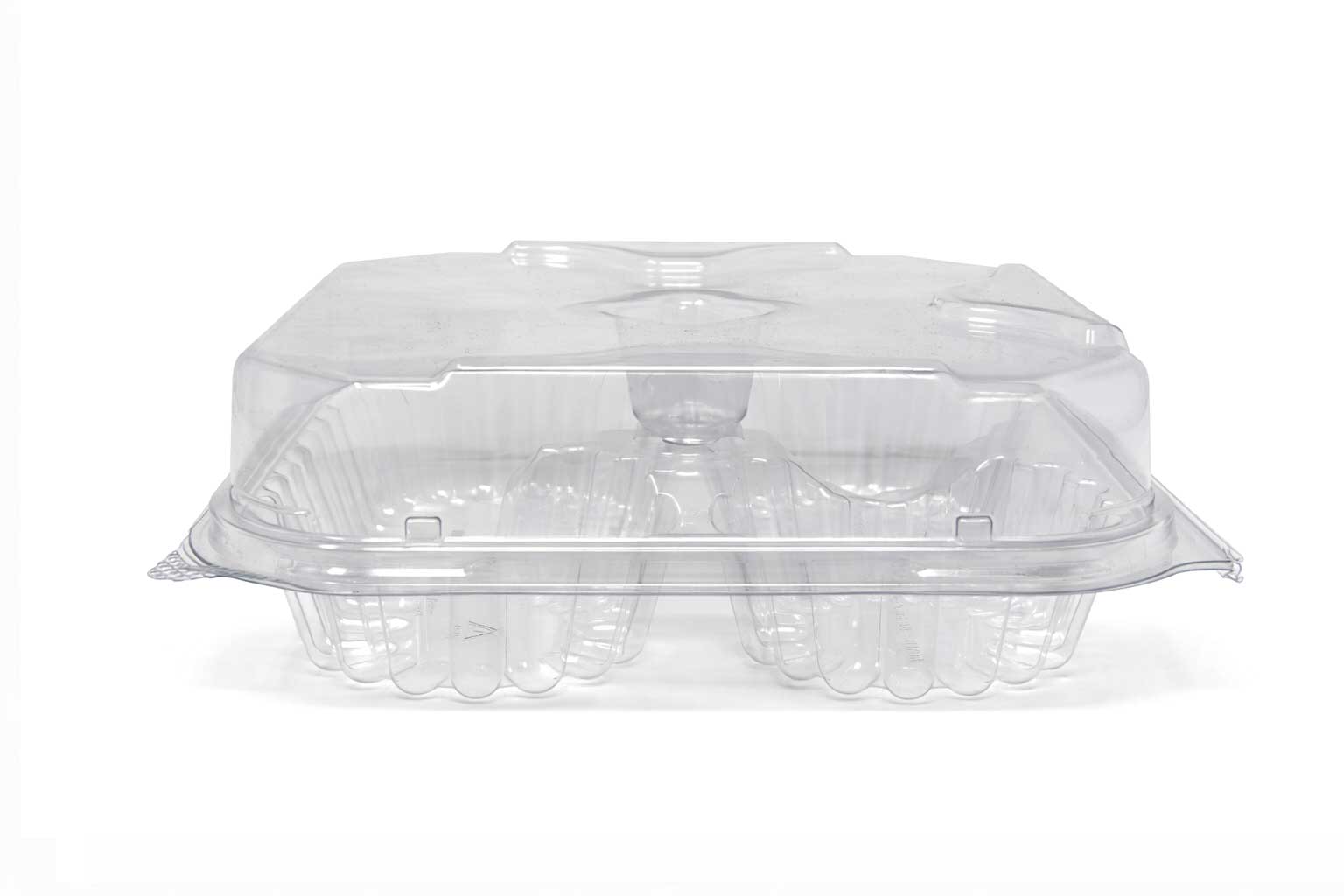
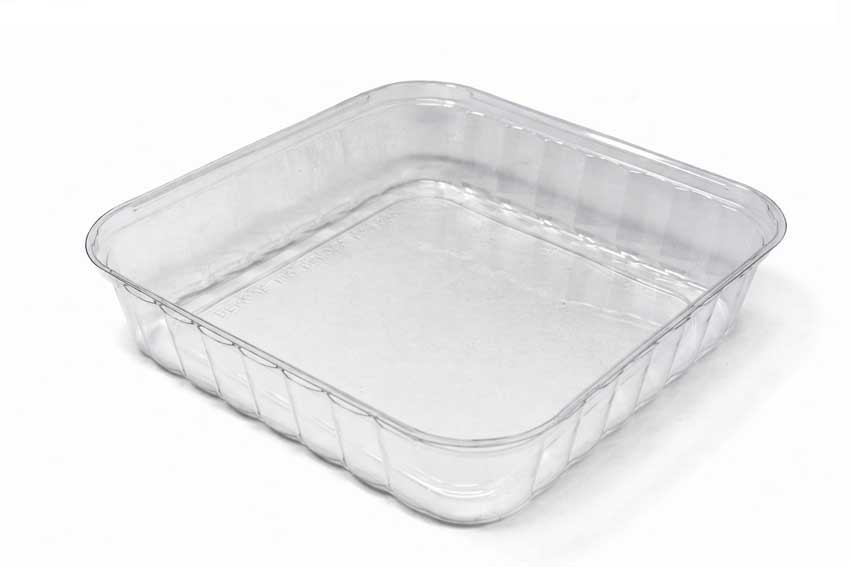
Featured Sustainable Products
Explore thermoformed packaging solutions engineered for performance and responsible end of life recovery.
Ready to Get Started?
Didn't see what you need? Let us help you find the perfect packaging solution.